
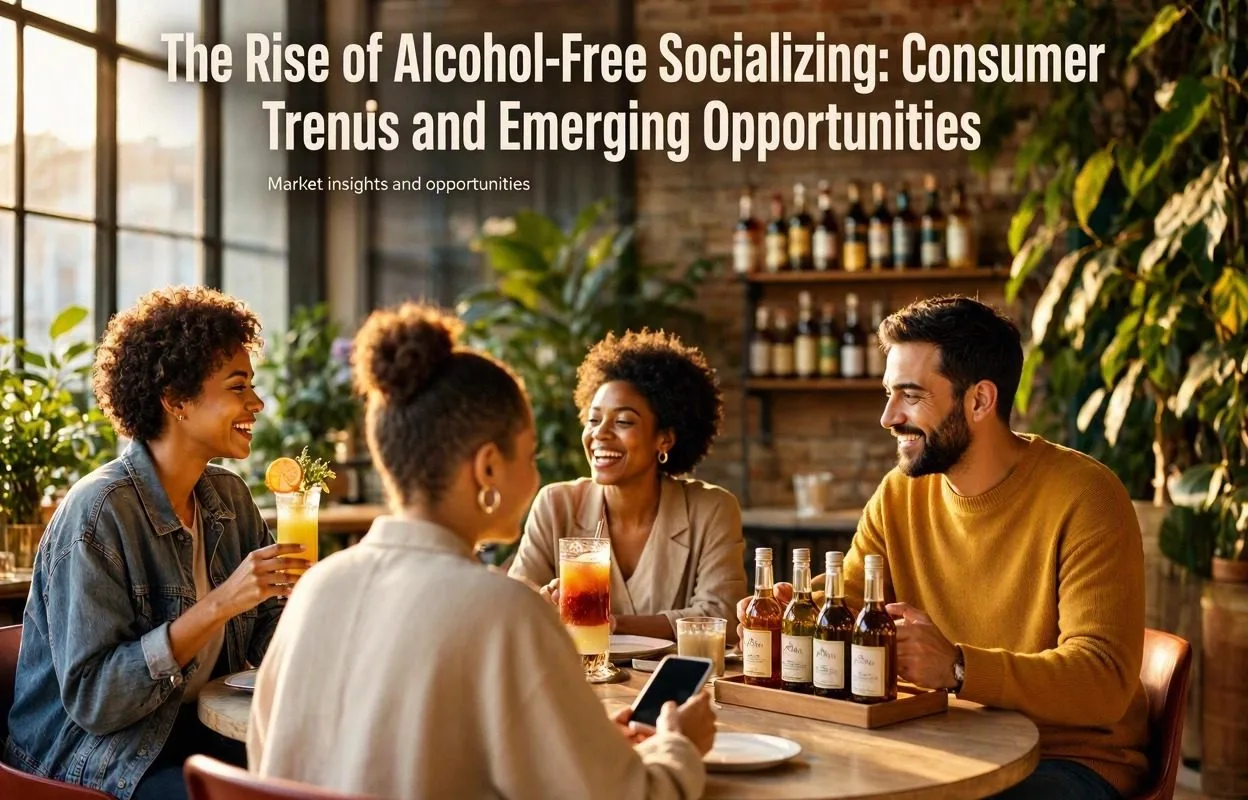
In recent times, the market for non-alcoholic beverages has witnessed a growth fueled by an increasing demand for sober drinks and alcohol-free beverages. With non-alcoholic drinks in trend, there are several options to choose from to meet the consumer’s evolving preferences, lifestyles, and even taste buds. From mocktails to non-alcoholic spirits, the trends surrounding non-alcoholic beverages are the talk of the town.
Alcohol-Free Socializing Trend Gaining Momentum
People are opting for mindful drinking that would help them maintain a healthy social lifestyle at the same time. There is a rising need for non-alcoholic beers, wines, cocktails, and botanicals. Millennials and Gen Z are pushing for more responsible products from the companies and are bringing in unique products that align with their values. For some, giving up alcohol during Lent is a pious act, and for others, it is a private matter. According to, Pristine Market Insights, these are all factors that call for the development of unique flavors using fruits, citrus, herbs, and botanicals.
Factors Contributing to the Growth of Alcohol-Free Socializing
A rising trend among modern people is connected with the development of health-conscious and innovative ways of alcohol consumption. The sober curious movement promotes, among consumers, a conscious reduction of the amount of alcohol they ingest, with minimal cessation of drinking. The sober curious movement promotes, among consumers, a conscious reduction of the amount of alcohol they ingest with minimal cessation of drinking. Generation Y and Z are interested in improving their psychological well-being, physical well-being, financial management, and ecological footprint.
In addition, through social media it is possible to engage with the target audience and educate them about alcohol-free drinking, providing a variety of mocktail recipes and non-alcoholic drinks that they can try. Alcohol moderation may also help regulate sleep cycles, enhance concentration and promote cell regeneration in some consumers. Consumers’ demand for non-alcoholic socialization also drives the restaurant industry to provide more alcohol-free cocktails and events. Equally important is the focus on the development of unique flavors, relying on botanicals, fruits, citrus flavors and other flavors and ingredients that could be used in alcoholic beverages. As such, the entire flavors market can benefit from the wave of creativity that the alcohol-free drinks category has inspired.
Changing Consumer Preferences and Emerging Beverage Choices
Younger consumers’ choices increasingly reflect their diverse needs and preferences in terms of diet, health, and values. The most common drivers for the choice are:
Personal Choice (53%): Some young adults are cutting down for health, social, or personal reasons
Life-Changes (48%): The consumers have become health conscious, and want to change their lifestyles, which include reducing or even stopping consumption of alcohol beverages or non-alcoholic alternatives instead.
Financial (39%): The consumers prefer spending their money on activities such as travels, exercise and eating out instead of purchasing alcoholic beverages.
Consumers are interested in alcohol free beer, non-alcoholic wine, mocktails, fizzy soft drink and botanical drinks in order to have fun but without the influence of alcohol. Also, there is an increasing need for drinks having various flavors and experiences such as fruity, citrus, herbal and spicy. This provides the manufactures a chance to expand the non-alcoholic market with various products.
Liquid Innovation: How Non-Alcoholic Beverages Have Evolved
Non-alcoholic beverages have moved from just plain fruit juices and soft drinks to creating unique flavors and unique experiences. In order to provide an alternative beverage to alcoholic beverages, manufacturers take advantage of botanicals, complex formula flavoring, fermentation and elegant packaging. Non-alcoholic versions of gin and tonic, wine, beer and classic cocktails allow the consumer to indulge in their favorite drinks with fewer calories and without depriving themselves of alcohol. However, new products, with their flavors of flowers, bitterness, herbs, spices and fermented foodstuffs, are not only an alcoholic imitation of a well-known drink, but also provide the consumer with a unique experience. This development shows the value of taste, aroma, visual appeal and feel for gaining consumer acceptance. The beverage flavors market plays a key role in this development by providing a range of flavors which help manufacturers to develop distinctive and appealing alcohol-free beverages.
Trending Non-Alcoholic Beverage Categories
The non-alcoholic beverage market stands out through a growing assortment of products, a broad selection of flavors, and shifting consumer tastes. The most common categories of non-alcoholic drinks that shape the market’s core are as follows:
Non-Alcoholic Beers: Advanced fermentation and de-alcoholization technologies allow producers to create non-alcoholic beers with distinctive flavors to meet the growing demand for light beers and those containing alternative brewing techniques.
Non-Alcoholic Spirits: The non-alcoholic spirits market involves a large variety of distilled beverages made from herbs, botanical ingredients, and other flavorings with the latest technology to provide consumers with alcohol-free gin, rum, whiskey, and other mixtures for making cocktails and toasting.
Alcohol-Free Wines: Modern technology of vacuum distillation and reverse osmosis allows producers to create alcohol-free wines with unique flavors and tastes for those who want to enjoy their favorite wine without the harmful effects of alcohol.
Fermented Drinks: Iced tea and coffee are an easy and inexpensive way of enjoying the same taste without having to make it yourself.
The functional beverages and water can be made from a variety of sources including fruits, herbs or spices. It is good due to the presence of electrolytes, vitamins or any special ingredients; adaptogenic and nootropic beverages are made from adaptogens and nootropic substances such as L-theanine. This type of beverage is designed to enhance various body functions, although a connection between the ingredients and their effects is still being determined by science. Overall, the market for non-alcoholic beverages covers a variety of the mentioned core drinks. In addition, it provides unique flavors for each category.
Emerging Business Opportunities in the Alcohol-Free Beverage Industry
Socializing without drinking is in trend, which creates numerous opportunities for beverage producers, sellers, and suppliers. The shifting in consumer preferences stimulates them to create non-alcoholic beer, alcohol-free wine, spiritless drinks, functional beverages, and ready-to-drink cocktails. The transformation in the taste also suggests the necessity of unique flavors and ingredients, convenient packaging, as well as high quality to meet the new requirements. The production of diversified assortments of non-alcoholic beverages and the use of various sales channels are the key success factors that should be taken into account to gain from the changing demand.
Beverage producers can create various flavored drinks to meet the growing need for non-alcoholic wine, beer, and other products. For example, manufacturers can produce different-flavored beverages, such as citrus, herbal, flowery, spicy, and fruity ones, in order to provide customers with unique flavors. Such an offer can be attractive to the suppliers of flavors for the beverage industry. In addition, the production of alcohol-free beer, wine, and spirit drinks for both everyday use and special occasions can be considered.
Challenges Facing the Alcohol-Free Beverage Industry
Despite the growing popularity of alcohol-free products, manufacturers face numerous challenges to overcome in order to attract more customers and promote the growth of the market. Inherent qualities of the goods such as taste, aroma, bitterness, and depth make it difficult to reproduce some of the attributes peculiar to alcoholic beverages. Moreover, the use of advanced technologies and special ingredients can increase the cost of production, which can be expensive in some cases. Meanwhile, differences in labeling and regulatory requirements of various countries may be problematic for manufacturers and distributors.
The limited availability in grocery stores, bars, and other places can also affect consumer choice. In addition, the lack of knowledge about the existence of alcohol-free beverages among some people will make them less attractive than usual drinks. To guarantee the industry’s growth, manufacturers will be needed to address the mentioned challenges through the development of innovative products, the optimization of labeling and pricing, and the broader distribution of goods.
The Future of Alcohol-Free Socializing
Socializing without alcohol is similar to the development of consumer perceptions of wellness, responsibility, and socialization. The rising interest in responsible drinking practices has encouraged manufacturers to invest in the development of a wide variety of products and innovative beverage formats, as well as unique flavors. The growing supply of alcohol-free beer, wine, and other mixed drinks provides more choice for consumers who want to enjoy their social life with less impact on their health.
The trend creates new opportunities in the alcohol flavors market, as there is a growing demand for more fruit, herbal, citrus, and botanical flavors. However, the market’s further growth is expected to depend on the ability to overcome some challenges associated with the flavor, cost, labeling, and availability of alcohol-free products. By meeting the rising demand, companies can make alcohol-free beverages a viable alternative to traditional drinks while still being integrated into the broader beverage market.