

A word first, because it matters more than any tip on this page. If you drink heavily, or you drink every day, don’t suddenly drop to nothing without speaking to a GP. The NHS is clear that it can be dangerous to stop too quickly if your body has become dependent on alcohol. The clues are fairly ordinary: shaking, sweating, or feeling anxious until you’ve had your first drink of the day. If that sounds familiar, get medical advice before you change anything. If you or someone else gets severe symptoms after cutting down or stopping, such as hallucinations, severe shaking, or a seizure, call 999 or go to A&E.
If you just want a quieter word with someone first, Drinkline is the national alcohol helpline, free and confidential, on 0300 123 1110. It’s open weekdays from 9am to 8pm, and weekends from 11am to 4pm.
How to cut down on drinking in an ordinary week
Start by finding out what you actually drink
Most of us are slightly wrong about this. Not dishonest, just approximate. “A couple of glasses” can be a large one, poured generously, then another while you’re cooking. A “quick pint” after work can turn into three because someone suggested food and you stayed.
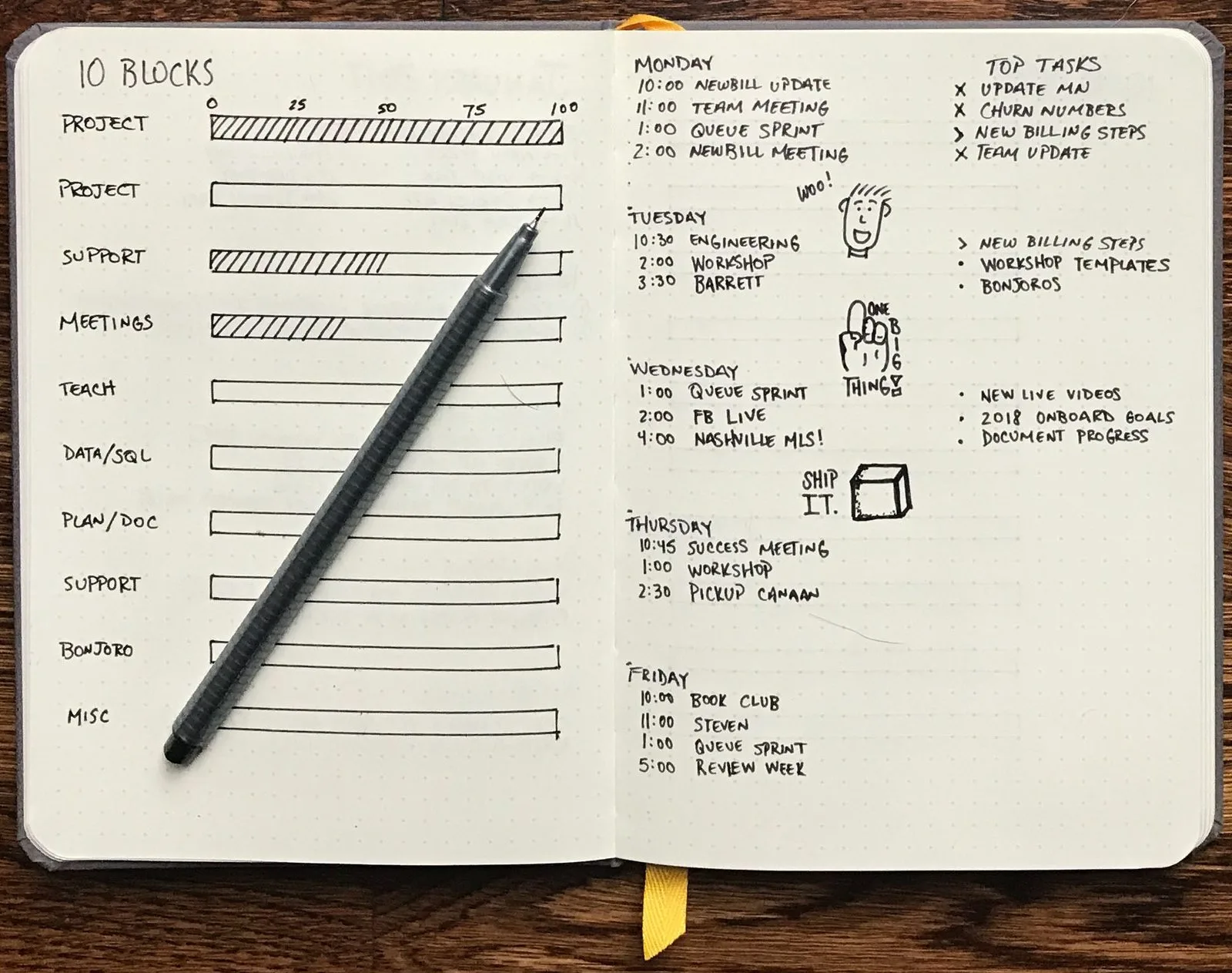
The NHS suggests keeping a daily diary of what you drink, or using a tracking app, which is as glamorous as it sounds and surprisingly useful. For a week, write down the drink, roughly how much, and when. Do it without turning it into a character assessment. You’re gathering information, not building a case against yourself.

To keep the health risks low, the NHS advises both men and women not to drink more than 14 units a week on a regular basis, spread over three or more days, with a few drink-free days if you can. That’s about six pints of average-strength beer, or six medium glasses of average-strength wine. They also point out there is no completely safe level, only a lower-risk one. If you want a proper count, Alcohol Change UK has a unit calculator.
The number can be a bit of a jolt. That’s fine. A jolt is more useful than a vague sense that you “probably drink a bit too much.”
Drink-free days, and why they work better than vague promises
“I’ll just cut back” is not really a plan. Your brain hears it, nods, and then pours the usual Wednesday glass because Wednesday has always had a glass in it.
Drink-free days are more specific. You pick them in advance. Tuesday and Sunday, say, or Monday to Thursday if weekends are when it usually gets away from you. The NHS specifically recommends having several drink-free days each week if you want to cut down, and their Drink Free Days app is built around that idea: you set a target, track the days, and start again the following week if one of them slips.
The slipping matters, because it will happen. One blown Thursday does not mean the week is void. You don’t “use up” the plan and then drink freely until Monday. You just do the next drink-free day you already chose.
If a drink-free evening feels oddly long, that’s not a sign the plan is wrong. It’s often the first time you’ve seen the shape of that evening without alcohol in it. Put something else in the gap: a walk, a very ordinary dinner, a film, a bit of telly you’ve been meaning to catch up on. It doesn’t need to be self-improvement. It just needs to be something other than the ritual you’ve removed.
The practical stuff that actually reduces the total
Once you can see the pattern, a few small changes do more than a grand resolution.
Switching to a lower-strength drink is one of the least dramatic and most effective. The NHS suggests lighter beers under 4% ABV, and notes that white and rosé wines are often lower in strength than reds. Or you swap some of the rounds for a no- or low-alcohol version you actually like, not one you’re enduring. The alcohol-free section in a British supermarket is less grim than it was five years ago, though you still have to try a few before you find one that doesn’t taste like a compromise.
Alternating with a soft drink or a lime and soda slows the evening down without making you the awkward one at the table. So does waiting until you’re eating before you have the first drink. It sounds fussy. It quietly removes that early, empty-stomach pint that tends to set the pace for the rest of the night.
Rounds are where good intentions go to die. You buy one, someone buys you one, and suddenly you’ve had four when you’d meant to have two. You can stay in the conversation and still say you’re getting your own. Most people forget about it in under a minute. If they don’t, that’s not really about your drink.
A boring, effective trick for nights out: take a set amount of cash for drinks, or put a spending alert on your card. It is easier to stop when the decision has already been made at 5pm, rather than at 9pm when you’re a bit warmer and the next one feels inevitable.
And if the trigger isn’t the pub at all, but the sofa, the wine bottle in the fridge, or the “I’ve had a day” moment at 6.30pm, change that bit of the routine rather than relying on a speech you make to yourself in the kitchen. Have a walk first. Start cooking. Open a tonic. Move the bottle out of easy reach for a while if you need to. This is not a personality overhaul. It’s just making the usual path slightly less automatic.

The social bit, without a lecture
You don’t have to make an announcement. Some people find it easier to say, “I’m cutting down at the moment,” which is true and tends to close the subject. You also don’t have to explain your units to your brother-in-law.
What does help is telling one person, especially someone you drink with regularly. Not because you need a witness. Because the evening is easier if one other person isn’t surprised when you switch to a soft drink, and isn’t trying to “cheer you up” with another pint. We’ve written more about that conversation in Telling Friends and Family You’ve Stopped Drinking, and the same tone works when you’re cutting down rather than stopping. For the “go on, just one” moment, How to Handle Social Pressure When You’ve Stopped Drinking has lines that are short enough to use when you don’t want a debate.
You can still go to the pub. Plenty of people do, with a pint of something alcohol-free or a soft drink they actually want. If a particular night out is the one that always runs away from you, it’s reasonable to skip that one for a bit and suggest breakfast, a walk or a film instead. That isn’t withdrawal from your social life. It’s changing the setting that makes the old pattern so easy.
When cutting down isn’t quite working
This is the part people tend to keep to themselves. You have a good fortnight. Then a weekend lands on you, or a bad week at work, and you’re back where you started. Or you discover that “only at the weekend” has become both days, starting at lunch, and slightly harder to stop than you expected.
That isn’t a moral failing. It’s useful information. Some people can cut down and settle at a level they’re happy with. Some people find that once they start, stopping at two is the bit that never quite happens. If that’s you, it may be that stopping for a stretch will be simpler than negotiating with yourself every evening. Dry January vs Actually Quitting is honest about the difference between a time-limited challenge and a real change, and I’ve Just Stopped Drinking. Now What? is a practical look at the first stretch if you do decide to stop.
It’s also worth being straight about money, because “cutting down” can still be expensive if the nights out haven’t really changed. We ran some realistic UK numbers in Does Quitting Drinking Actually Save You Money?.
If willpower is doing all the work, and it isn’t holding, that’s common. Structure helps more than another promise to yourself. That might be a GP appointment, a local alcohol service, an app, a group, or a course. When Damian and Lisa decided to stop completely, they did a paid online course: videos, journals and challenges. It wasn’t cheap. It did work. That’s one route, not a requirement, and there is plenty of free help if money is tight. We’ve put the options together in When Willpower Isn’t Enough, and the whole lot sits on our Stop or Cut Down page.
You don’t have to decide the rest of your life this week. You can count what’s in the glass, pick a couple of days without one, and see whether that feels like enough. If it doesn’t, you haven’t failed. You’ve just found out what you needed to know.
Common questions
How many units a week is it safe to drink?
The NHS says there is no completely safe level. To keep the risk low, it advises both men and women not to drink more than 14 units a week on a regular basis, spread over three or more days, with a few drink-free days if you can. That is about six pints of average-strength beer, or six medium glasses of average-strength wine. There is a unit calculator on the Alcohol Change UK website if you want a proper count.
Is it dangerous to cut down on alcohol suddenly?
It can be, if you drink heavily or every day. The NHS says you should get medical advice before you stop or cut down if you get withdrawal symptoms such as shaking, sweating, or feeling anxious until you’ve had your first drink of the day. If you or someone else has severe symptoms after cutting down or stopping, including hallucinations, severe shaking, or a seizure, call 999 or go to A&E.
What is a drink-free day?
It is a day you decide in advance not to drink. The NHS recommends having several drink-free days each week if you want to cut down, and their Drink Free Days app is built around that idea.
How can I cut down on drinking without stopping completely?
The NHS suggests keeping a diary of what you drink, switching to lower-strength drinks, alternating with soft drinks, avoiding rounds, waiting until you are eating before the first drink, and having drink-free days. A GP can also help you cut down if you want support.
Compliance note: The Clear Head is a lifestyle site, not a substitute for medical advice. If you have withdrawal symptoms, or you’re worried about your drinking, speak to your GP or a local alcohol support service. Drinkline is 0300 123 1110 (weekdays 9am to 8pm, weekends 11am to 4pm). In an emergency, call 999. For urgent medical advice, call 111.