
Key Takeaways for Hospitality Venues
- Equal Billing on Menus: Elevate alcohol-free drinks out of the ‘soft drinks’ basement into dedicated craft sections with evocative sensory flavor notes.
- Sophisticated Flavor Architecture: Move past syrupy juices; utilize bitters, botanicals, shrubs, cold-brew teas, and proper glassware.
- Empowered Staff: Train front-of-house teams to recommend pairings naturally without questioning why a guest isn’t drinking.
The Rise of Alcohol-Free Hospitality Experiences
Hospitality industry has been shifting away from the conventional belief that drinking alcohol is an integral part of having fun, dining, and celebrating. Increasingly, consumers are opting out of alcohol-based products due to various reasons like health and fitness, personal preferences, religion, pregnancy, or the desire to drink safely when driving among others. In response, hotels, restaurants, pubs, coffee shops, and event venues have an opportunity to reconsider their approach towards such clients.
To enhance the alcohol-free experience in the venues, it is necessary not only to include a selection of soft drinks to the existing offer but also to think creatively and offer a good variety of drinks and snacks as well as provide adequate information about them. Alcohol-free beverages should be presented attractively, be a decent replacement to their counterparts and complement the food offered.
Developing a good alcohol-free product offer will allow hospitality businesses to serve more clients, generate additional value and make themselves stand out in the market. The growing demand for alcohol-free experiences is also reflected in the broader beverage market, with Consegic Business Intelligence estimating that the global non-alcoholic beverage packaging market will grow from USD 176.95 billion in 2024 to over USD 274.86 billion by 2032, expanding at a CAGR of 5.7% from 2025 to 2032.
Designing Menus That Make Alcohol-Free Choices Appealing
Alcohol-free beverages could easily attract attention if a properly thought-out menu were created. If such drinks would be offered only on the bottom of a menu as standard sodas or juices, customers would assume that there is not much to offer. Instead, alcohol-free beverages should be treated in the same way as any premium drinks, including cocktails or wines.
The venue could have a special section offering mocktails, plant-based drinks, sparkling drinks, premium coffee and tea, and other refreshments. The language used in the menu for description of these drinks could also play an important role. In order to give the customers an idea of what they would taste like, one should use words describing ingredients, flavor combinations, preparation process, and recommended foods for pairing.
In addition, price of premium alcohol-free drinks is very important. As they usually consist of quality ingredients and need proper preparation, the value they provide should be stressed. It could be done through naming and presenting of drinks.
What is most important, the menu should include variety of beverages with refreshing, bitter, spicy, fruity, herbal, and sophisticated flavors.
Creating Memorable Alcohol-Free Drinks and Pairings
In fact, the taste of alcohol-free beverages will determine the total level of the guest experience. It is important to remember that substituting alcoholic beverages for sweet drinks will not be enough to provide the guests with a sophisticated drink. Instead, venues could try out using various fresh products, herbs, spices, citruses, teas, shrubs, fermented beverages and alcohol-free spirits.
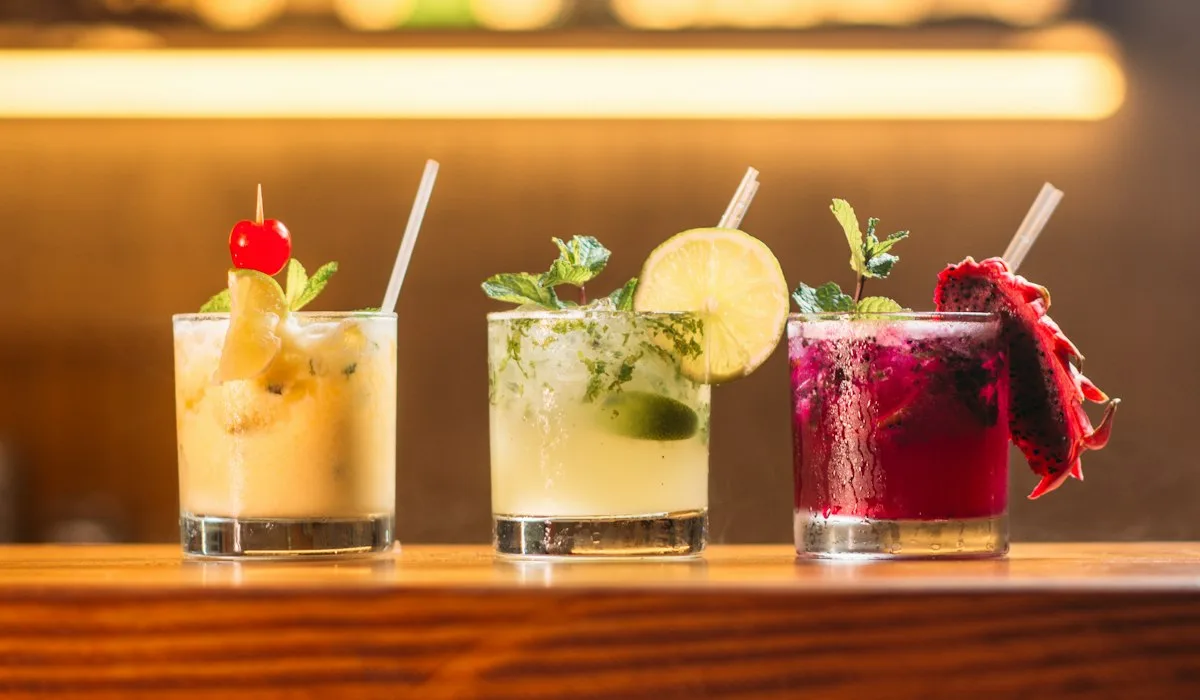
Drinks’ presentation should not be overlooked. Glassware, garnishes, ice, colors and other elements could give the beverage an extra portion of sophistication and make it special. It is necessary to remember that the guest needs to understand that they are getting a carefully prepared drink and not an alternative to the alcoholic one.
It is possible to pair alcohol-free drinks with food to create unforgettable experience. Restaurants and hotels could suggest appropriate drinks to go with appetizers, meals or even desserts. For instance, the citrus-based drink would be great with seafood and so on.
Seasonal menus will help keep things interesting all year round. In addition, use of fresh seasonal ingredients could help to surprise guests from time to time with something new.
Training Staff to Deliver Inclusive Guest Experiences
An outstanding selection of no-alcohol beverages will do nothing if staff members are not properly trained to talk about this topic and give recommendations. It is vital that servers, bartenders, receptionists, and event staff know about all available items, ingredients, flavoring and appropriate food accompaniment. In this way, they will give personalized recommendations to guests instead of just directing them to a special section of the menu.
Moreover, when preparing staff members to deal with no alcohol clients, attention needs to be paid to language and attitude towards them. Non-alcoholic drinks choice must be treated like any other. Staff members should not assume what reason makes people order those drinks and comment on it.
Employees can also offer alcohol-free drinks to guests during celebrations, business events, tastings, and group orders. This way of doing things will ensure that guests who are not drinking are offered proper options and not limited to one selection.
If employees get to know the value of inclusive service for clients, they will give it consistently throughout the whole venue. Recommendations, detailed information and attentive attitude towards clients can turn them into regular customers.
Building an Atmosphere Where Every Guest Feels Welcome
In making alcohol-free beverage experiences better, venues will need to think about more than just changing the beverages they offer. Guests should be allowed to have their alcohol-free drinks without feeling like they are missing out on the actual experience. This applies especially in celebratory events such as weddings, corporate events, nightlife venues and other social gatherings where alcohol might be the center of attraction.
Alcohol-free beverages can be made to feature in events through such methods as having them offered together with alcoholic beverages and also having attractive formats for their serving. Dedicated bars, mocktail menus, tastings and pairings are some of the ways venues can make alcohol-free beverages fit into the event.
An atmosphere can help make drinking experience for guests good regardless of what they choose to drink. Lighting, music, seating and service should make the atmosphere enjoyable for guests regardless of what beverage they drink. Venues can achieve this through customer surveys and finding out which alcohol-free beverages sell well.
Inclusion in hospitality strategy can help venues attract more clients who are likely to enjoy better service.
Conclusion
Providing superior alcohol-free experiences is increasingly becoming an essential element of modern hospitality. It is possible for establishments to cater to shifting demands by creating varied, well-thought-out menus, well-prepared drinks, food combinations, and impeccable service. In addition, educating employees on how to provide knowledge about alcohol-free experiences will further enhance the customer experience, while creating an environment that is hospitable to all will ensure that the non-drinkers receive equal attention in day-to-day interactions and even during special events. Rather than positioning alcohol-free experiences as inferior substitutes, hospitality facilities should make them unique and fun experiences.

Aditi Jaiswal
Aditi Jaiswal is a content writer at Consegic Business Intelligence. She explores topics across hospitality, consumer trends, and emerging beverage markets, bringing clarity and depth to every piece she writes.