
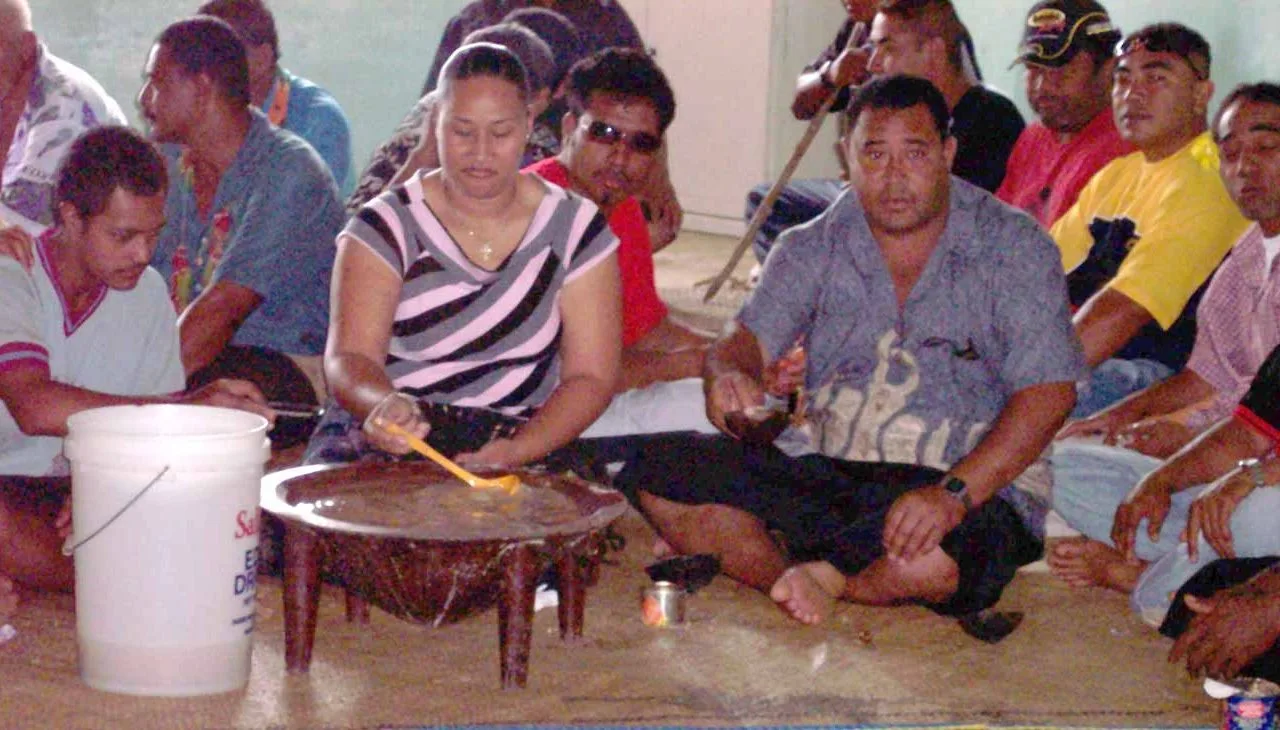
Kava bars are becoming an increasingly familiar sight across the United States. Once a niche concept primarily associated with Florida and Pacific Island culture, kava bars have developed into a growing part of America’s alcohol-free social scene. Today, people can find kava lounges in cities across Florida, Texas, California, Colorado, Arizona, North Carolina, and several other states.
The growth of kava bars reflects a broader change in the way Americans think about nightlife. For people who want to socialize without drinking alcohol, a kava bar offers another option: a relaxed environment where conversation, community, music, games, and botanical drinks take center stage.
What Is a Kava Bar?
A kava bar is a social venue centered around kava, a traditional beverage made from the roots of the Piper methysticum plant, which originates in the Pacific Islands. Kava has a long history of being used in social and ceremonial settings throughout the Pacific.
In the United States, kava is generally prepared as a beverage and served in small portions known as shells. Traditional kava has an earthy, distinctive taste and can produce a relaxing sensation. Some modern kava bars also offer flavored kava drinks, botanical beverages, teas, and other alcohol-free options.
The atmosphere varies considerably from one establishment to another. Some kava bars resemble traditional neighborhood bars, while others look more like coffee shops, lounges, or wellness-oriented social spaces.
The Growth of Kava Bars in America
The American kava scene has expanded significantly in recent years. A July 2026 national directory snapshot counted approximately 670 active public kava-bar listings across 38 states and U.S. territories, although directory counts can vary depending on how establishments are defined and verified. Florida represented the largest concentration by a wide margin.
Another 2026 industry tracking source reported roughly 700 kava bars in the United States, compared with 303 in 2023. This suggests that the category has expanded rapidly in just a few years.
Florida has played an especially important role in this development. Cities including Tampa, St. Petersburg, Fort Lauderdale, Miami, Orlando, Fort Myers, and West Palm Beach have developed noticeable kava communities. The concept has also spread beyond Florida into markets throughout the South, Southwest, Midwest, and West.
Why Are Kava Bars Becoming Popular?
One major reason for the popularity of kava bars is the growing interest in alcohol-free socializing.
Traditional bars have historically been places where alcohol is central to the experience. Kava bars offer a different model. Customers can meet friends, listen to music, play games, work remotely, attend events, or simply sit and talk without alcohol being the focus.
This fits with the broader sober-curious movement, in which some people are choosing to reduce their alcohol consumption without necessarily giving up nightlife and social experiences altogether. Recent reporting has highlighted kava’s growing popularity as an alcohol alternative, particularly in Florida.
For some customers, the appeal is simply having another place to go in the evening. A kava lounge can provide the social atmosphere of a bar without requiring someone to order a beer, wine, or cocktail.
What Is the Atmosphere Like?
There is no single formula for a modern American kava bar.
Some establishments have dim lighting, comfortable couches, tropical décor, and quiet music. Others are more energetic, featuring live music, DJs, trivia nights, open-mic events, board games, or community gatherings.
Many kava bars also stay open late. This is an important part of their appeal because customers can use them as an alternative to conventional nightlife. A current national directory, for example, reports that a large majority of listed kava bars with posted hours remain open until at least 11 p.m.
The result is a type of “third place” between home and work: somewhere people can spend time without the expectations associated with a traditional restaurant or nightclub.
What Do Kava Bars Serve?
Traditional kava is the signature drink, but menus have become increasingly diverse.
A first-time customer may encounter traditional kava served in a shell, flavored kava beverages, botanical teas, mocktails, coffee, and other alcohol free drinks. Some establishments also serve snacks or light food.
Prices vary considerably depending on the city, preparation, and venue. Current 2026 menu data suggests that around $10 is a typical price point for kava, although individual drinks can cost considerably less or more.
Some American kava bars also serve kratom beverages. However, kava and kratom are different botanicals and should not be treated as the same product. Customers should understand what is in a drink before ordering it.
Florida: The Center of America’s Kava Scene
Florida has arguably become the most important state for kava culture in the United States.
The state’s warm climate, tourism industry, active nightlife, and large population of people interested in alternative social experiences have helped create favorable conditions for kava businesses.
Kava bars in Miami offer alcohol free spaces where people can socialize, work remotely, play games, and enjoy traditional kava.
The popularity of Florida’s kava scene has also helped introduce the concept to visitors who may later encounter kava bars in other parts of the country.
What to Expect on Your First Visit
For someone visiting a kava bar for the first time, the experience can be different from walking into a traditional bar.
The atmosphere is generally social and informal. Staff can explain the menu and help newcomers decide whether to try traditional kava or a flavored version. Because kava has a distinctive earthy flavor, first-time visitors may prefer starting with a smaller serving.
It is also important to remember that kava can cause drowsiness in some people. It should not be mixed with alcohol, and customers should follow the guidance provided by the establishment and applicable health recommendations.
The Future of Kava Bars in the US
The American kava industry is still relatively young, but its rapid expansion suggests that kava bars are becoming more than a passing trend.
As consumers look for new ways to socialize, relax, and spend time with friends without making alcohol the centerpiece of the evening, kava lounges have found a distinctive position between cafés, bars, wellness spaces, and community venues.
Whether the next stage of growth comes from Florida’s established communities or from new kava bars opening in cities across the country, one thing is becoming clear: kava is no longer an obscure beverage known only to a small group of enthusiasts.