

What happens when you stop drinking in the first few days
Don’t stop suddenly if your body is used to a daily drink
If you drink heavily, or you drink every day, speak to a GP before you stop. The NHS is blunt about this, and for good reason: it can be very dangerous to stop suddenly if you are dependent on alcohol.
Dependence here isn’t a moral label. It’s a physical one. The NHS lists withdrawal symptoms that can include anxiety, trouble sleeping, feeling sick or being sick, a racing heartbeat, sweating and shaking. In more serious cases, confusion, hallucinations, or seizures. Those symptoms can begin within 6 to 12 hours of your last drink and usually last from three to seven days, though some can linger for longer, especially if you’ve been drinking heavily.
If you already get shaking, sweating, or a tight anxious feeling until you’ve had the first drink of the day, get medical help before you try to stop or cut down. A GP can talk you through a safer way to do it, and may involve a local alcohol service. Some people can be supported at home. Some need to be in a medically supervised setting. That isn’t a drama. It’s just the safe version of the same decision.
Call 999 or go to A&E if you or someone else has severe symptoms after stopping, including visible shaking, confusion, hallucinations, or a seizure. Don’t drive yourself there.
If you want to talk it through first, Drinkline is the national alcohol helpline, free and confidential, on 0300 123 1110, weekdays 9am to 8pm and weekends 11am to 4pm. You can also find local alcohol support services on the NHS website.
If none of that sounds like you, and you’re stopping because you’re tired of the hangover or you simply want a change, the rest of this is for that first odd week. For the slightly longer view, I’ve Just Stopped Drinking. Now What? is about the first fortnight in a more everyday sense, and One Month Alcohol-Free walks through the month week by week.
The first few days can feel worse, not better
This catches people out. You expected to feel virtuous and instead you feel scratchy. Sleep can go a bit strange. You might be wide awake at 2am, then ruined at 7am, then restless again in the evening. You might feel anxious, irritable, foggy, or slightly sick. You might not want much food.
The NHS includes trouble sleeping, anxiety, nausea and sweating among the things that can happen when you stop or cut down. Even if you’re not in the dangerous-withdrawal category, your body is still adjusting to the absence of something it had come to expect. That can feel grim, and it can feel personal, as if you’ve made a mistake. You haven’t. You’ve just removed a substance that was doing a job, including a fairly poor job of helping you switch off at night.
Try not to judge the whole idea of stopping by how Tuesday afternoon feels. The first days are a poor advert for the later ones.
What actually helps, hour by hour
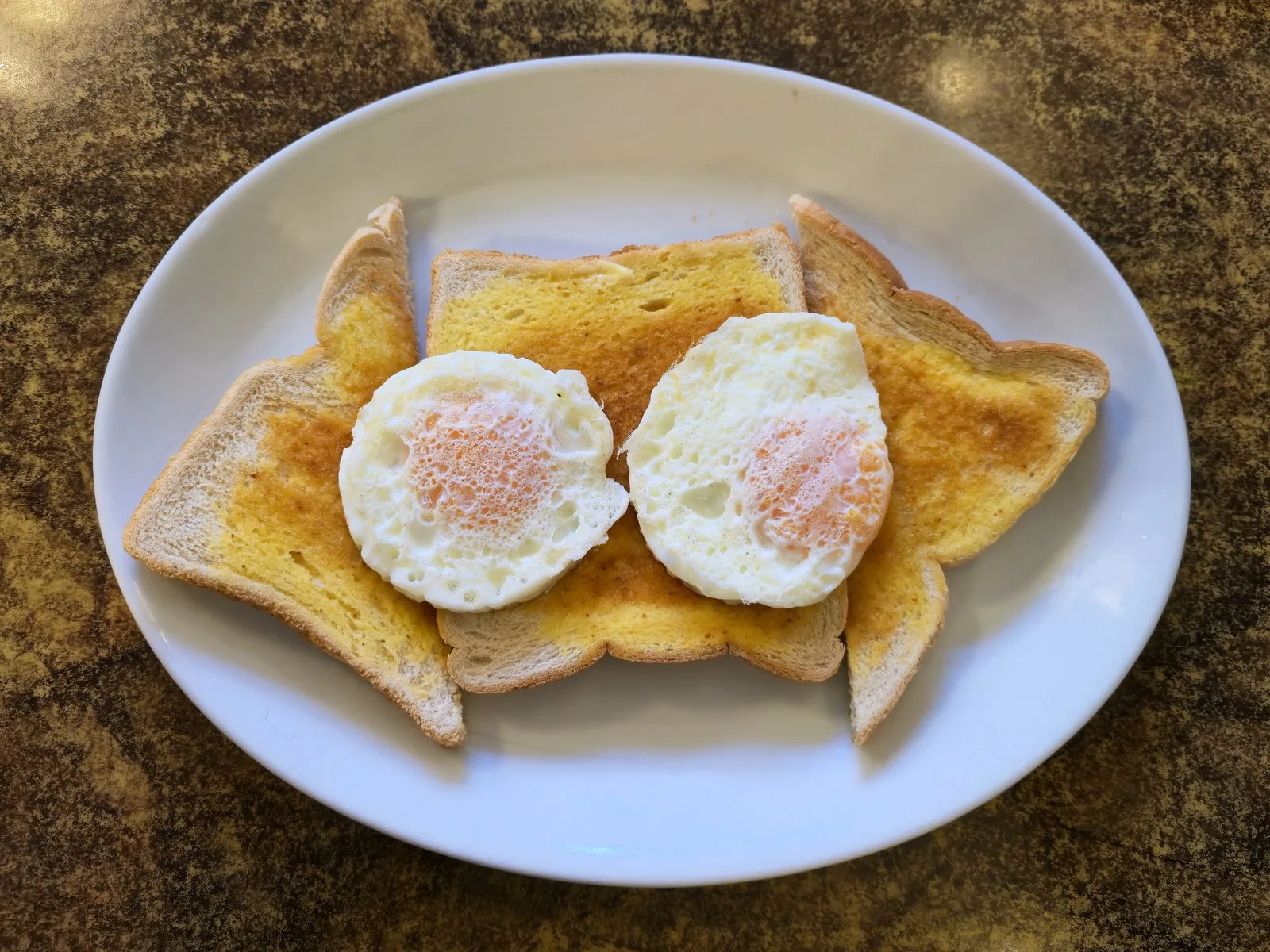
Eat something, even if you don’t fancy it. Toast, pasta, soup, a banana. Nothing impressive. Your body is already doing enough work without you also running on fumes.

Drink water, and go easy on the caffeine if you’re already feeling wired. You don’t need a complicated hydration routine. You just don’t want to add a racing heart on top of an anxious one.
Get outside if you can, even for twenty minutes. A walk around the block is enough. It doesn’t need to become a fitness era. Movement helps some of the restlessness, and it breaks the indoor loop of “what do I usually do at this time?”
Have something to do in the slots where you would usually drink. That’s often 6pm onwards, or Friday from about 5. The gap is the problem, not a lack of moral fibre. A series you actually want to watch, a game, a long phone call, a bit of cooking, a very ordinary evening in the pub with an alcohol-free pint if that feels manageable. If it doesn’t feel manageable, skip the pub this week. You can go next week. How to Navigate Pubs & Nights Out Without Drinking can wait until you’re ready for it.

Tell someone. Not a public announcement. One person who won’t make a project out of it. The week is lighter when you don’t have to perform normality and hide the fact that you’ve stopped. If you’re bracing yourself for that conversation, start with Telling Friends and Family You’ve Stopped Drinking. For the first time someone offers you a drink and waits, these shorter replies are easier than inventing a speech at the bar.
Don’t make any large life decisions this week if you can help it. You don’t need to overhaul your job, your relationship, or your personality because you’ve had four clear mornings. Get through the days. The rest can be thought about when your sleep has settled down.
The middle of the week has its own dip
There’s often a point, a few days in, where you feel oddly fine. Clearer than you expected. Almost pleased with yourself. Then it clouds over again: boredom, a flat mood, a sudden conviction that this is going to be your personality now, sitting on the sofa with a tonic, being no fun.
That swing is very common, and it is a bad moment to decide the whole thing isn’t working. Your brain chemistry is still catching up, and a quiet Wednesday is not evidence that the rest of your life will look like this. We wrote about that dip in more detail in I’ve Just Stopped Drinking, because it surprises people and they tend to take it personally.
If a craving arrives, treat it like weather. It is uncomfortable, it is usually shorter than it feels, and it is not a command. Move rooms. Eat something. Go out for ten minutes. Text the person you told. You don’t have to have a profound insight about why you wanted a drink. You just have to get to the other side of the next half hour.
What this week is not
It is not a test you pass by feeling great. It is not ruined if you sleep badly. It is not proof that you “don’t have a problem” if you find it easy, or that you “must have a problem” if you find it hard. People vary. History varies. A heavy few months and a long, steady habit are different starting points.
It is also not something you have to do on willpower alone. Lisa and I didn’t. When we stopped, we did a paid online course: videos, journals and challenges. It wasn’t cheap, but it worked. If you’d rather not spend money, that’s completely reasonable. Your GP, Drinkline, NHS services, and free groups such as SMART Recovery or Alcoholics Anonymous are all proper forms of help. We’ve set those out in When Willpower Isn’t Enough.
If this week falls in December, the season will try to make it about other people’s glasses. What Nobody Tells You About the First Sober Christmas is there for that particular awkwardness. If money was part of the reason you stopped, the numbers in Does Quitting Drinking Actually Save You Money? can wait until you’re past the first few nights. You don’t need a spreadsheet on day three.
By the end of the week you may feel better, or you may just feel less strange. Either is a decent result. The point of week one is not to become a new person. It’s to get to week two without having talked yourself out of it, and without having taken a risk with withdrawal that you didn’t need to take. After that, the month starts to make more sense, and you can find the rest of the reading on our Stop or Cut Down page. There is also a longer, evidence-based look at what happens to your body when you stop drinking, from the first day through to a year, and a plain guide to what drinking actually does to your body.
If you’re in it right now, keep it small. Eat. Drink some water. Go for a short walk. Tell one person. Sleep when you can. Tomorrow is the next decision, not the rest of your life.
Common questions
What happens when you stop drinking?
It varies from person to person. The NHS lists possible withdrawal symptoms including anxiety, trouble sleeping, feeling sick or being sick, a racing heartbeat, sweating and shaking. In more serious cases there can be confusion, hallucinations, or seizures. Those symptoms can begin within 6 to 12 hours of your last drink.
How long do alcohol withdrawal symptoms last?
The NHS says they usually last from three to seven days, though some symptoms can last longer, especially if you have been drinking heavily.
Is it dangerous to stop drinking suddenly?
It can be, if you are dependent on alcohol. The NHS says it can be very dangerous to stop suddenly, and you should get medical help before you try to stop if you get withdrawal symptoms. If you already feel shaky, sweaty, or anxious until you have had the first drink of the day, speak to a GP first.
When should I call 999?
If you or someone else has severe symptoms after stopping, including visible shaking, confusion, hallucinations, or a seizure, call 999 or go to A&E. Do not drive yourself there.
Compliance note: The Clear Head is a lifestyle site, not a substitute for medical advice. If you have withdrawal symptoms, or you’re worried about your drinking, speak to your GP or a local alcohol support service before you stop. Drinkline is 0300 123 1110 (weekdays 9am to 8pm, weekends 11am to 4pm). In an emergency, call 999. For urgent medical advice, call 111.